

Female Workforce Survival & Conduct Guide – Abu Dhabi
Introduction:
Abu Dhabi offers rewarding opportunities for female professionals across healthcare, hospitality, IT, education, and service sectors. However, living and working in a foreign country comes with its own set of challenges, especially regarding safety, cultural norms, legal compliance, and professional conduct. For Indian women moving to Abu Dhabi, being aware of workplace expectations, safe accommodation practices, and survival strategies is crucial. This guide consolidates essential DOs and DON’Ts, along with a first 30–60 day survival checklist, to ensure a safe, compliant, and productive work experience.
1. Legal & Documentation
DOs:
- Always carry your passport, Emirates ID, and labor card; keep photocopies in a safe place.
- Register your employer with MoHRE if not done; understand your rights under UAE labor law.
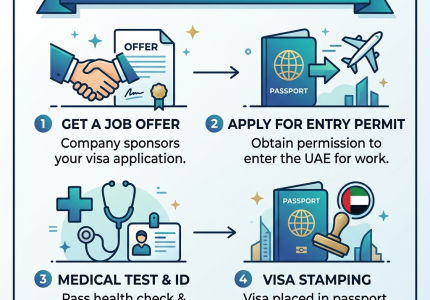
- Ensure your work visa is valid before joining.
- Keep your contract and salary details handy; know your leave, overtime, and working hours.
DON’Ts:
- Never work without a valid visa—fines or deportation may apply.
- Don’t sign blank contracts or agreements.
- Don’t ignore workplace harassment; report issues immediately to HR or MoHRE.
2. Accommodation & Safety
DOs:
- Choose accommodation approved by your employer or registered female PGs. Safety is a top priority.
- Prefer female-only housing or shared apartments with trustworthy flatmates.
- Keep emergency numbers accessible: Police (999), Ambulance (998), Indian Embassy (+971 2 444 0300).
- Install safety apps or maintain a local contact for emergencies.
DON’Ts:
- Avoid unregistered or unknown accommodations.
- Don’t let strangers into your residence or share keys/access codes.
- Avoid isolated areas, especially at night.
3. Transport
DOs:
- Use registered taxis (Careem, Uber), metro, or public buses; avoid hitchhiking.
- Share trip details with family or friends when commuting late.
- Know safe routes from your accommodation to workplace.
DON’Ts:
- Avoid traveling alone in poorly lit areas at night.
- Don’t ignore traffic rules or safety precautions.
4. Workplace Conduct
DOs:
- Dress professionally and modestly—formal attire with sleeves and knee-length bottoms.
- Maintain professional boundaries with male colleagues.
- Document and report harassment, bullying, or discrimination immediately.
- Be punctual and disciplined; attendance is closely monitored.
DON’Ts:
- Avoid office gossip or personal arguments.
- Don’t overshare personal information.
- Refrain from touching colleagues or public displays of affection.
5. Social & Cultural Awareness
DOs:
- Respect local culture, religion, and Ramadan rules.
- Learn basic Arabic greetings; locals appreciate the effort.
- Socialize in female-friendly environments.
DON’Ts:
- Don’t drink alcohol in public.
- Avoid posting anything offensive about UAE, religion, or colleagues online.
- Don’t publicly criticize local rules or government.
6. Financial & Emergency Preparedness
DOs:
- Keep 1–2 months’ salary aside for emergencies.
- Use legal channels for money transfers to India.
- Know your rights regarding leave, overtime pay, and maternity benefits.
DON’Ts:
- Don’t share bank details or passwords.
- Avoid illegal loans or financial dependence on strangers.
7. Health & Well-being
DOs:
- Enroll in employer-provided health insurance.
- Get regular checkups and maintain personal hygiene.
- Keep emergency medical contacts and pharmacy numbers handy.
DON’Ts:
- Don’t ignore symptoms of illness; UAE hospitals may charge heavily without insurance.
- Avoid unverified medicines or online remedies.
8. First 30–60 Days Survival Checklist
- Verify work visa and labor contract.
- Move into safe, female-approved accommodation.
- Familiarize yourself with commute routes and transport options.
- Register with HR and MoHRE.
- Keep emergency contacts accessible.
- Understand salary, leave, and overtime policies.
- Learn local laws, cultural norms, and workplace expectations.
- Establish a daily routine for sleep, commute, meals, and personal safety.
Quick-Reference Visual Table (Optional for Blog Use):
| Category | DOs | DON’Ts |
| Legal & Documentation | Carry passport, Emirates ID, labor card; register with MoHRE; keep contracts handy | Work without visa, sign blank contracts, ignore harassment |
| Accommodation & Safety | Stay in employer-approved PGs; female-only or shared apartments; emergency numbers ready | Unregistered housing, let strangers in, isolated areas |
| Transport | Use registered taxis/buses; share trip details; know safe routes | Travel alone in dark areas, ignore traffic rules |
| Workplace Conduct | Dress modestly; maintain boundaries; report harassment; be punctual | Gossip, share personal info, public displays of affection |
| Cultural Awareness | Respect local culture; learn basic Arabic; socialize safely | Drink in public, post offensive content, criticize laws/government |
| Financial & Emergency | Save 1–2 months’ salary; legal remittance; know rights | Share bank info, illegal loans, depend on strangers |
| Health & Well-being | Employer insurance; regular checkups; keep emergency contacts | Ignore illness; use unverified remedies |
Key Takeaway:
For female Indian professionals in Abu Dhabi, awareness, preparedness, and compliance are essential for safety and success. Following these DOs and DON’Ts, especially during the first 2 months, ensures a smooth transition, professional growth, and peace of mind in a new country.
Disclaimer:
This guide is for informational purposes only and does not constitute legal, employment, or professional advice. Readers should verify all rules, regulations, and workplace policies with official UAE authorities, employers, and relevant institutions before taking action. Compliance with local laws and safety guidelines is the responsibility of the individual.